
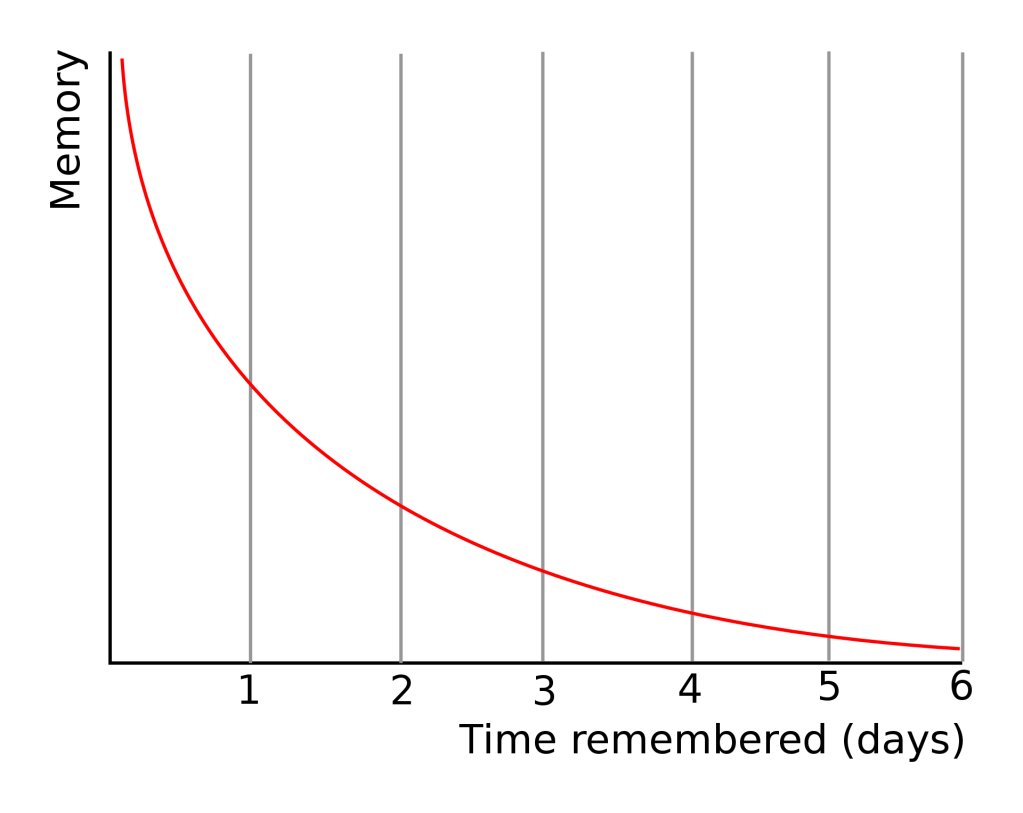
Memory is a fundamental aspect of human cognition, allowing us to learn from experiences, build relationships, and navigate the world – and something we’re very serious about here at Dekki. Understanding the biology of memory involves exploring how the brain encodes, stores, and retrieves information. This blog post delves into the mechanisms behind memory formation, the factors influencing memory retention, and the reasons behind forgetting.
How We Remember
- Encoding: The First Step
- Sensory Input: Memory formation begins with the sensory input we receive from our environment. Sensory memories are fleeting, lasting only a few seconds.
- Attention: When we pay attention to a particular stimulus, it moves from sensory memory to short-term memory. Attention acts as a filter, selecting which information is important enough to process further.
- Processing: In short-term memory, information is processed and encoded. This involves transforming sensory input into a format that the brain can store. Encoding can be visual, auditory, or semantic (based on meaning).
- Storage: Keeping Memories Safe
- Short-term Memory: Short-term memory holds a limited amount of information for a brief period, typically around 20-30 seconds. This type of memory is crucial for daily tasks, such as remembering a phone number long enough to dial it.
- Long-term Memory: For information to be retained longer, it must be consolidated into long-term memory. This process involves the hippocampus, a key brain structure in memory formation. Long-term memory can last from days to decades and is divided into explicit (conscious) and implicit (unconscious) memories.
- Retrieval: Accessing Stored Information
- Recall: The ability to access information without explicit cues. For example, answering an essay question relies on recall.
- Recognition: Identifying previously encountered information with the help of cues. Multiple-choice questions test recognition.
- Reconstruction: Memories are often reconstructed during retrieval, meaning they can be influenced by new information and current beliefs.
Why We Forget
- Decay Theory
- Over time, unused memories fade away. This theory suggests that the physical trace of a memory in the brain deteriorates if it is not reactivated through recall or practice.
- Interference Theory
- Proactive Interference: Older memories interfere with the ability to remember new information. For example, an old password may make it difficult to remember a new one.
- Retroactive Interference: New information hinders the recall of older memories. Learning a new phone number can make it hard to recall the previous one.
- Retrieval Failure
- Sometimes, memories are stored but cannot be accessed. This can be due to a lack of appropriate cues or because the memory was not encoded effectively.
- Motivated Forgetting
- Also known as repression, this occurs when the brain unconsciously blocks memories of traumatic or unpleasant experiences to protect the individual from psychological distress.
- Biological Factors
- Age, brain injuries, and diseases such as Alzheimer’s can impair memory. The hippocampus and other brain regions involved in memory may degrade over time or due to medical conditions, affecting memory retention and retrieval.
Enhancing Memory
- Practice and Repetition
- Regularly reviewing information strengthens neural connections, making memories more durable.
- Healthy Lifestyle
- Physical exercise, a balanced diet, and adequate sleep are vital for brain health and memory function.
- Mental Stimulation
- Engaging in activities that challenge the brain, such as puzzles, learning new skills, and social interactions, can enhance memory and cognitive function.
- Mnemonic Devices
- Techniques like acronyms, visualization, and chunking can help encode and retrieve information more effectively.
Conclusion
Memory is a complex and dynamic process influenced by various biological, psychological, and environmental factors. By understanding how memory works and why we forget, we can adopt strategies to enhance our memory and mitigate forgetting, such as using spaced repetition tools like Dekki.
 Dekki Blog
Leave a comment